
Call This Thursday to Get $50 Off

Local Emergency Plumbers in Fort Worth
Call This Thursday to Get $50 Off
Local Emergency Plumbers in Fort Worth
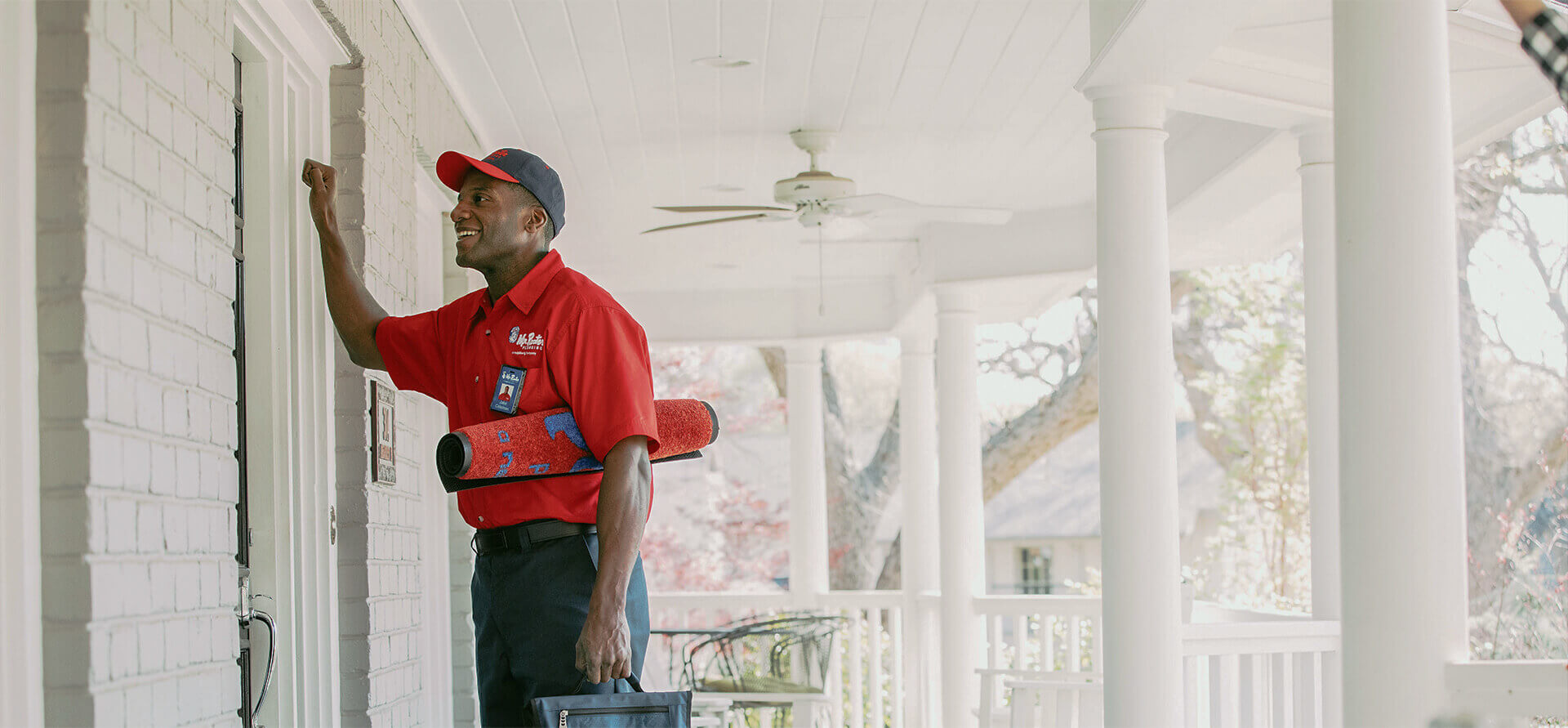
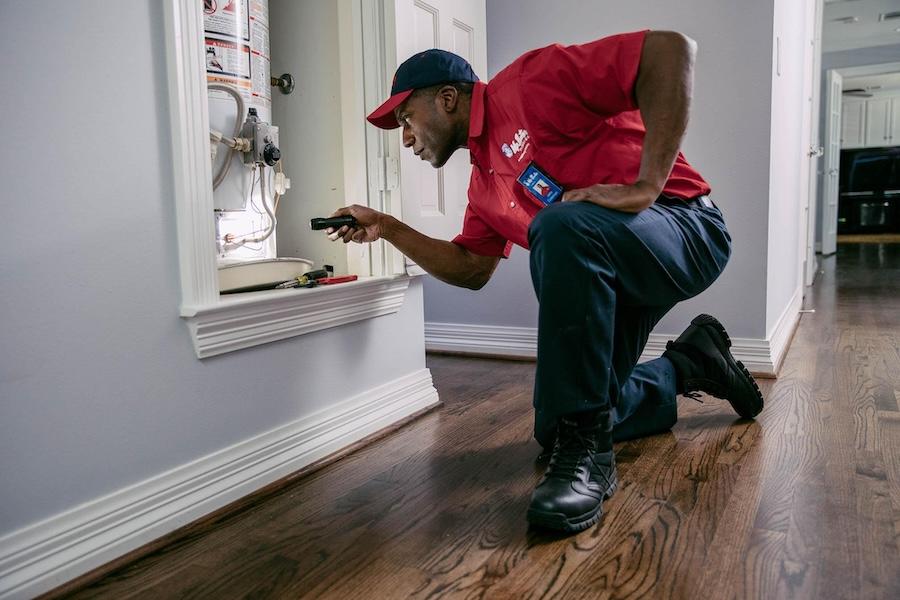
Hot water is something you might not appreciate until you're standing in a cold shower, wondering what went wrong. Your water heater runs constantly in the background, and it's easy to assume it'll keep working, but understanding when water heater service is the smartest home investment changes how you think about this appliance. Mr. Rooter Plumbing helps homeowners extend the life of their water heaters and avoid the panic of an unexpected breakdown. Read more if you want to find out which maintenance tasks matter most, how sediment buildup affects efficiency, and when service pays off more than a replacement.
Most water heaters last between eight and twelve years, but that number assumes quality care. Without maintenance, you might see failure at year six or seven. With the right amount of attention, the same unit could run efficiently for fifteen years. The difference comes down to a few specific tasks that prevent the most common causes of premature failure. Flushing the tank once a year removes mineral deposits before they accumulate on the heating element or burner assembly. Checking the temperature and pressure relief valve makes sure this critical safety component will work during an emergency. Inspecting connections for corrosion catches leaks so you can avoid water damage. A plumber in Arlington, TX can also verify that your thermostat reads accurately, because a unit that runs hotter than necessary wastes energy and accelerates wear on internal parts. These aren't complicated tasks, but they require tools and knowledge that most homeowners don't have on hand.
Every gallon of water that enters your home carries dissolved minerals. In areas with hard water, calcium and magnesium concentrations run extremely high. When your water heater warms up the water, those minerals separate and sink to the bottom of the tank. Over months and years, they form a layer of sediment that acts as insulation between the heating source and the water. Gas water heaters have to work longer to transfer heat through this barrier and burn more fuel to reach the same temperature. Electric models come with similar problems as sediment covers the lower heating element. The Department of Energy estimates that just a half-inch of sediment buildup can increase operating costs by up to 25 percent. You're paying to heat the mineral layer first, then the water above it. This sediment also creates hot spots on the tank floor that weaken the metal. Annual flushing removes this accumulation before it reaches problematic levels. The process involves draining several gallons from the tank through the drain valve, and a plumbing service technician can complete the job in under an hour. Some homeowners attempt this task themselves, but corroded drain valves or improper procedures can create leaks that cause more problems than the sediment.
Your water heater tells you when something is wrong if you know what to look for. Rumbling or popping during heating cycles means sediment has hardened at the tank bottom and water is boiling beneath it. Rusty hot water points to internal corrosion starting either in the tank or the anode rod. Temperatures that won't stay consistent suggest a failing thermostat, damaged dip tube, or heating element coated in mineral buildup. When recovery time between uses stretches longer than it used to, the unit is losing heating capacity. Water pooling around the base means a leak that's only going to get worse. Any of these symptoms deserves a professional inspection because catching problems early keeps repairs on the table. Waiting usually ends with complete failure at the worst possible moment. A dependable plumber can figure out exactly what's happening and walk you through realistic options, whether it's a targeted fix or a conversation about water heater replacement. The important thing is responding when you first notice changes instead of holding out until there's no hot water left.
The math on water heater maintenance becomes clear when you compare the numbers. Annual service runs roughly $100 to $150. Over ten years, that totals $1,000 to $1,500 in maintenance costs. Emergency water heater replacement, on the other hand, averages $1,200 to $3,500 depending on the type and size of unit, and that doesn't include potential water damage if the tank ruptures while you're away from home. Scheduled replacement allows you to shop for the best price, choose a high-efficiency model, and schedule installation at a convenient time. Emergency replacement means accepting whatever unit is available immediately, paying premium labor rates for an urgent plumbing service, and possibly losing a day of work to wait for the technician. There's also the hidden cost of inefficiency during the years before failure. A poorly maintained water heater might add $20 or more to your monthly energy bill, which totals $240 per year or $1,200 over five years of declining performance. Maintenance extends the life of your current unit and makes sure that it operates at peak efficiency for every year that you own it.
Regular maintenance prevents emergencies, reduces monthly energy bills, and extends equipment life. Mr. Rooter Plumbing provides comprehensive water heater inspections and maintenance performed by qualified technicians who understand both tank and tankless systems. Our service vehicles arrive stocked with common parts, so most repairs happen in a single visit. We provide upfront pricing before any work begins. Contact us today to schedule your water heater service appointment and protect one of your home's most essential appliances.

As a property owner, the last thing you want is a flooded basement. Besides making…
Read More
Jun 05, 2026

Are you frustrated with how your water temperature fluctuates when undertaking normal household tasks like…
Read More
May 26, 2026
When dealing with sewer systems, property owners are often concerned about the longevity and durability…
Read More
May 23, 2026
.png)
A warm spot on your kitchen or bathroom tile may feel like a cozy luxury,…
Read More
May 18, 2026
Schedule Emergency Plumbing Repair Services
