
Call This Tuesday to Get $50 Off

Local Emergency Plumbers in Fort Worth
Call This Tuesday to Get $50 Off
Local Emergency Plumbers in Fort Worth

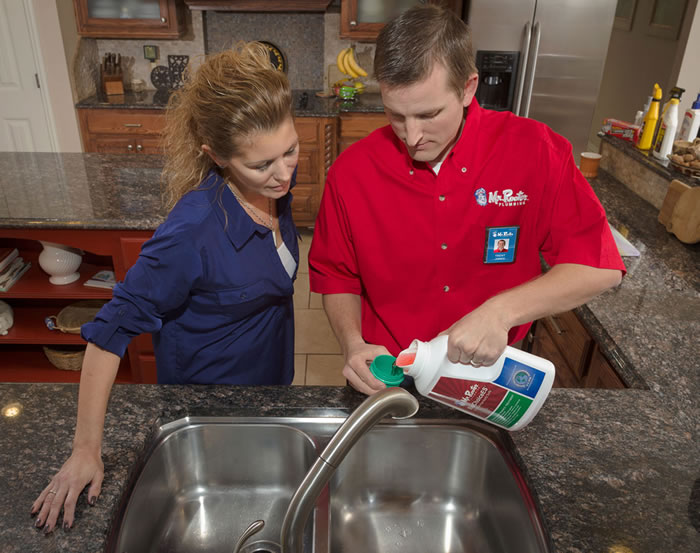
Clogged sinks are a typical problem for homeowners, but it's worth a try to solve the problem yourself before calling a professional plumber or plumbing service. You may learn a useful skill and possibly save time and money by following a few easy steps.
In this blog post, our professionals from Mr. Rooter Plumbing will walk you through the process of unclogging a sink in five easy steps, sparing you the need for immediate assistance from a drain cleaning expert.
It's critical to comprehend the type of clog before beginning any do-it-yourself plumbing project. Is the sink fully blocked or is it draining slowly? The appropriate course of action will be determined by how serious the problem is. If the water is still flowing, there may just be a partial obstruction, which makes it simpler to clear. On the other hand, a fully backed-up sink may indicate a more serious blockage.
You'll need some common home items for this project—basic tools. These consist of a pipe wrench, a bucket, and a plunger. The bucket will be useful for gathering water and trash, and the plunger is a multipurpose tool that can help remove small obstructions. If you need to disassemble the trap under the sink for a deeper clean, the pipe wrench comes in handy.
To begin, seal the area surrounding the drain opening with the plunger. Plunge up and down with force after adding enough water to the sink to cover the plunger's rubber end. The plunger's suction can loosen the blockage, restoring unobstructed water flow. Persistently dip it a few times before confirming that the water is draining correctly.
Examining and cleaning the trap under the sink is the next step to take if plunging doesn't fix the problem. To collect any water or debris that may leak out of the trap, place the bucket underneath it. Carefully undo the slip nuts on the trap's two ends with a pipe wrench. After removal, look for any debris or obstructions that are apparent. Make sure the trap is completely clean and free of any accumulated muck. Reattach the trap and firmly tighten the slip nuts after cleaning.
If cleaning the trap and plunging do not fix the issue, you might want to use a drain cleaner. The market is filled with many chemical and enzymatic drain cleaners; however, use caution when using them since they can be strong and possibly cause harm to your pipes. Make sure you get enough airflow and carefully follow the directions on the product. It might be necessary to speak with a licensed plumber or plumbing firm to diagnose and fix the problem if the blockage doesn't go away after using a drain cleaner.
Sometimes all you need is a little assistance from a plumber or plumbing firm to unclog a sink. Minor blockages are usually manageable with the correct equipment and a little perseverance on your part. Inspect the problem, get the required instruments, plunge, inspect and clean the trap, and apply a drain cleaner if required. You can maintain the smooth operation of your sinks and build confidence in your ability to handle simple plumbing problems around the house by adhering to these five simple procedures.

Are you frustrated with how your water temperature fluctuates when undertaking normal household tasks like…
Read More
May 26, 2026

When dealing with sewer systems, property owners are often concerned about the longevity and durability…
Read More
May 23, 2026
.png)
A warm spot on your kitchen or bathroom tile may feel like a cozy luxury,…
Read More
May 18, 2026
Do you have a garbage disposal installation planned? Are you looking to upgrade an old…
Read More
May 09, 2026
Schedule Emergency Plumbing Repair Services
