
Call This Wednesday to Get $50 Off

Local Emergency Plumbers in Fort Worth
Call This Wednesday to Get $50 Off
Local Emergency Plumbers in Fort Worth

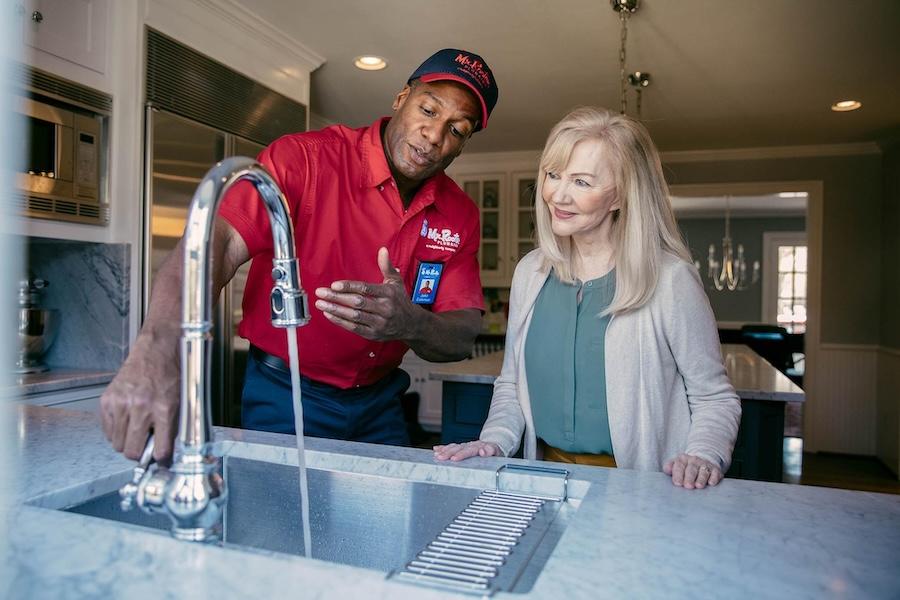
Swapping out your kitchen faucet can cut your water usage by thousands of gallons each year without changing how you wash dishes. The faucet industry has evolved dramatically over the past decade, and what used to mean weak flow and frustrating functionality has transformed into sleek, powerful fixtures that work better while using less water. Mr. Rooter Plumbing helps homeowners with the overwhelming number of eco-friendly faucet options now available, because walking into a showroom or scrolling through product pages without understanding what the labels and certifications mean leads to decision paralysis or regrettable purchases. You use it dozens of times a day for everything from filling pots to rinsing produce to washing hands, which means small efficiency improvements add up to meaningful savings on your water bill and real environmental impact over the fixture's lifespan. The challenge is separating genuine innovation from marketing hype and finding something that fits your kitchen's style, your household's demands, and your values. Below, we'll walk through what makes a faucet truly eco-friendly and which features matter most.
The EPA launched its WaterSense program to give consumers a reliable benchmark for water-efficient products, and any fixture carrying this label must meet strict performance criteria verified through independent testing. A WaterSense-certified kitchen fixture uses no more than 1.8 gallons per minute compared to the standard 2.2 GPM flow rate, which translates to an 18 percent reduction in water consumption at the tap. That certification doesn't just measure flow volume. Manufacturers must also demonstrate that their products perform as well as or better than conventional models in spray force, coverage, and overall usability. The program exists specifically to eliminate the old tradeoff between conservation and function. When you see a blue label, you can trust that the product has been tested by a third-party laboratory and approved by the EPA before reaching store shelves. A plumber in Benbrook, TX can help you identify which WaterSense models work best with your existing supply lines and water pressure, since compatibility varies depending on your home's setup. Choosing certified fixtures also qualifies some homeowners for rebates through local utility programs, so check with your water provider before purchasing.
Aerators mix air into the water stream to maintain pressure while reducing volume, and they're the workhorse behind most eco-friendly fixtures on the market today. These small mesh screens screw onto the spout tip and break the water into tiny droplets infused with air, which makes the stream appear full and forceful at reduced flow rates. Standard aerators restrict flow to anywhere from 1.0 to 1.5 GPM for bathroom fixtures and 1.5 to 2.0 GPM for kitchen applications. The technology is simple but remarkably effective. You can retrofit most existing fixtures with a new aerator, or you can purchase units with aerators already integrated into the design. Quality matters because cheap aerators clog faster with mineral buildup and degrade within months. Look for models with removable screens you can clean or replace. Your faucet & kitchen sink combination will determine which aerator thread size fits, so measure before ordering online or bring your old aerator to the hardware store for comparison.
Many homeowners assume that a lower flow rate automatically means weaker pressure, but the two measurements describe different things. Flow rate measures the volume of water delivered per minute, while pressure refers to the force behind the delivery. Modern eco-friendly fixtures use internal engineering to maintain strong pressure at lower volumes through narrower channels, shaped nozzles, and strategic air injection. The result is a stream that rinses dishes and fills pots quickly without wasting water. When evaluating fixtures, pay attention to manufacturer specifications for GPM and PSI compatibility. Some models perform poorly in homes with naturally low water pressure, while others excel in those conditions. During your next plumbing service, professionals can test your home's baseline pressure and recommend fixtures that work within that range. Most residential systems run between 40 and 60 PSI, and fixtures engineered for eco-conscious consumers account for variability. You don't have to sacrifice a powerful rinse to save water if you select the right product for your conditions.
A household that reduces kitchen water use by 20 percent through a WaterSense fixture saves roughly 700 gallons per person annually based on EPA estimates. For a family of four, that adds up to 2,800 gallons each year. At the current national average water rates of approximately four dollars per thousand gallons, the direct savings hover around eleven dollars annually. That figure doesn't account for reduced water heating costs, which represent a larger portion of the total expense for households that use hot water for washing. When you factor in hot water savings, the annual benefit can exceed thirty dollars for active kitchens. A quality eco-friendly fixture costs between 150 and 400 dollars, depending on style and features, which means the payback period ranges from five to twelve years. The fixture itself will last fifteen to twenty years with proper maintenance. Your faucet & kitchen sink area represents one of the highest use zones in your home, so efficiency gains here compound more dramatically than in bathrooms or utility spaces. A dependable plumber from a reputable plumbing service can also identify hidden issues during installation that affect efficiency, like corroded supply lines or faulty shut-off valves that cause slow leaks.
Upgrading to an eco-friendly fixture is one of the simplest changes you can make to reduce household water consumption. Contact Mr. Rooter Plumbing to schedule an assessment of your current setup and discuss which options match your budget, style preferences, and performance expectations. Our technicians will explain your choices and complete installations with the care your home deserves.

Are you frustrated with how your water temperature fluctuates when undertaking normal household tasks like…
Read More
May 26, 2026

When dealing with sewer systems, property owners are often concerned about the longevity and durability…
Read More
May 23, 2026
.png)
A warm spot on your kitchen or bathroom tile may feel like a cozy luxury,…
Read More
May 18, 2026
Do you have a garbage disposal installation planned? Are you looking to upgrade an old…
Read More
May 09, 2026
Schedule Emergency Plumbing Repair Services
